How to Stay Motivated Through the Toughest Miles
Whether the hike's challenging throughout or features that one tough climb right in the middle, get through the difficulties with these top tips.
How to Stay Motivated Through the Toughest Miles
https://www.contours.co.uk/how-to-stay-motivated-through-the-toughest-miles
by Sue Talbot
Whether you’re walking the coastal paths of Southwest England, navigating the hills of the Cotswold Way or pushing through the high-altitude trails of the Scottish Highlands, eventually, the honeymoon phase ends. Your shoulders begin to ache under the weight of your pack, blisters appear on top of blisters, a biting wind has set in, and you still have ten miles of unforgiving terrain ahead of you.
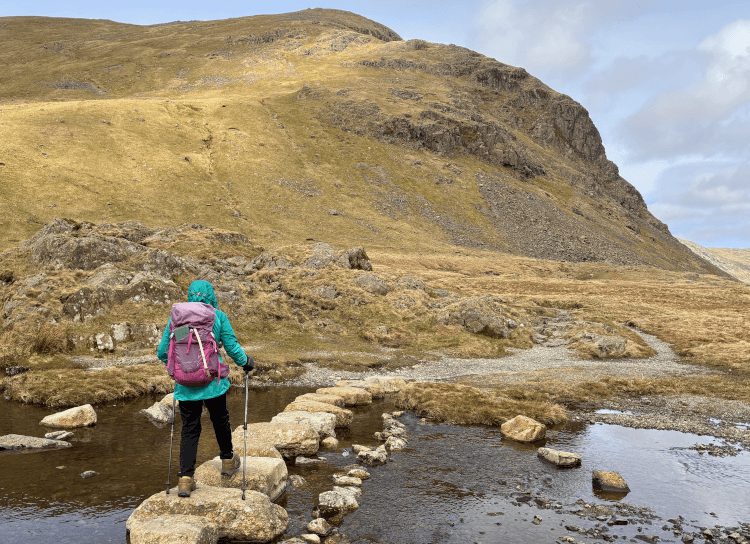
In these challenging moments, physical fitness alone is rarely enough to spur you on. It’s your mental resilience that ultimately determines whether you reach your destination or bail out early. Staying motivated on the toughest miles is not a personality trait that everyone is born with, but it is a deliberate skill that we can learn.
When you look up at a steep, seemingly endless incline, your brain can easily become overwhelmed. The sheer thought of how much effort is needed to reach the summit can create instant mental fatigue.
But by breaking the walk down into smaller sections, or micro-goals, and not focusing on the destination alone, you can reduce the feelings of overwhelm.
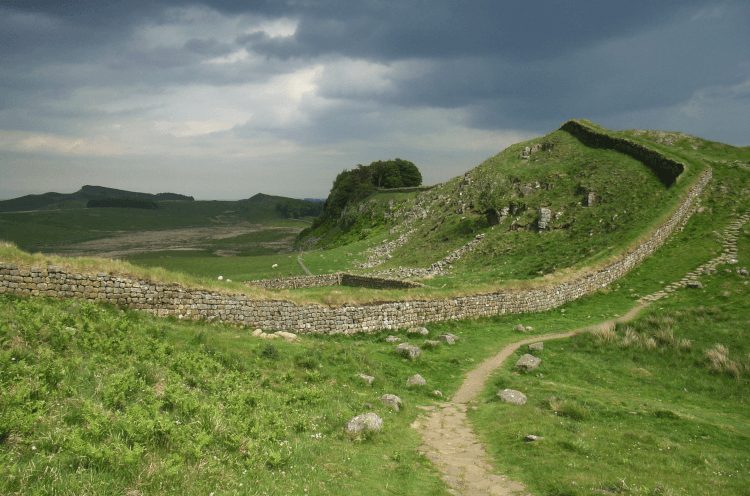
Pick a landmark fifty metres ahead, such as a distinctive tree or a gate, and promise yourself you won’t stop until you reach it.
Once you reach that landmark, pick the next one.
In the most difficult moments, I like to count my paces up to 100 and synchronise my breathing with my steps. This really helps to distract my mind from overwhelm and adopt a manageable rhythm.
One of the most common mistakes you can make on tough terrain is letting your emotions dictate your speed. When morale drops, try not to rush frantically to get it over with or start dragging your feet as this can deplete your physical and mental reserves rapidly.
Endurance walkers rely on consistency as the ultimate antidote to fatigue. Adopting a sustainable rhythm — known by seasoned hikers as the “all-day pace” — allows your body to settle into a slow and comfortable pace that’s sustainable.
When your body is moving efficiently, your mind calms. Check your posture at regular intervals. Are your shoulders relaxed? Is your breathing deep and rhythmic? Often, a simple physical adjustment can reset your mental state.
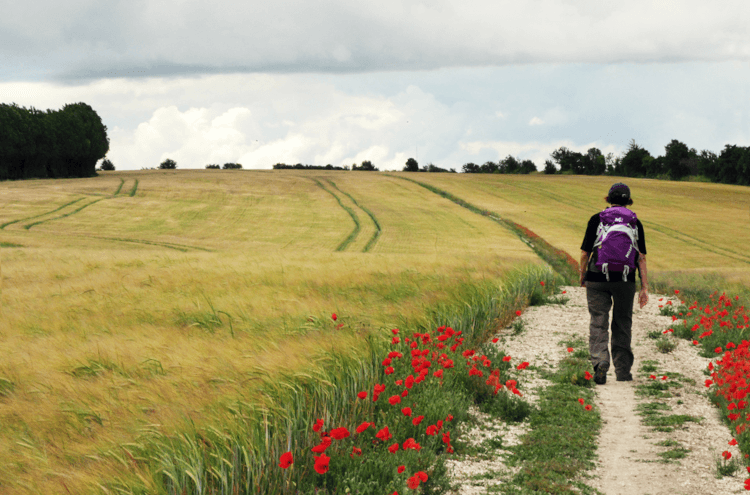
When the miles get tough, it’s common for our thoughts to take a negative turn, and we start focusing on our aches and pains. To break this pessimistic, hampering frame of mind, change your focus to the environment.
This is where sensory grounding comes into play so you actively engage with your surroundings:
Nature provides us with the perfect distractions. By turning your attention outward, your subconscious body handles the walking while your conscious mind takes a break.
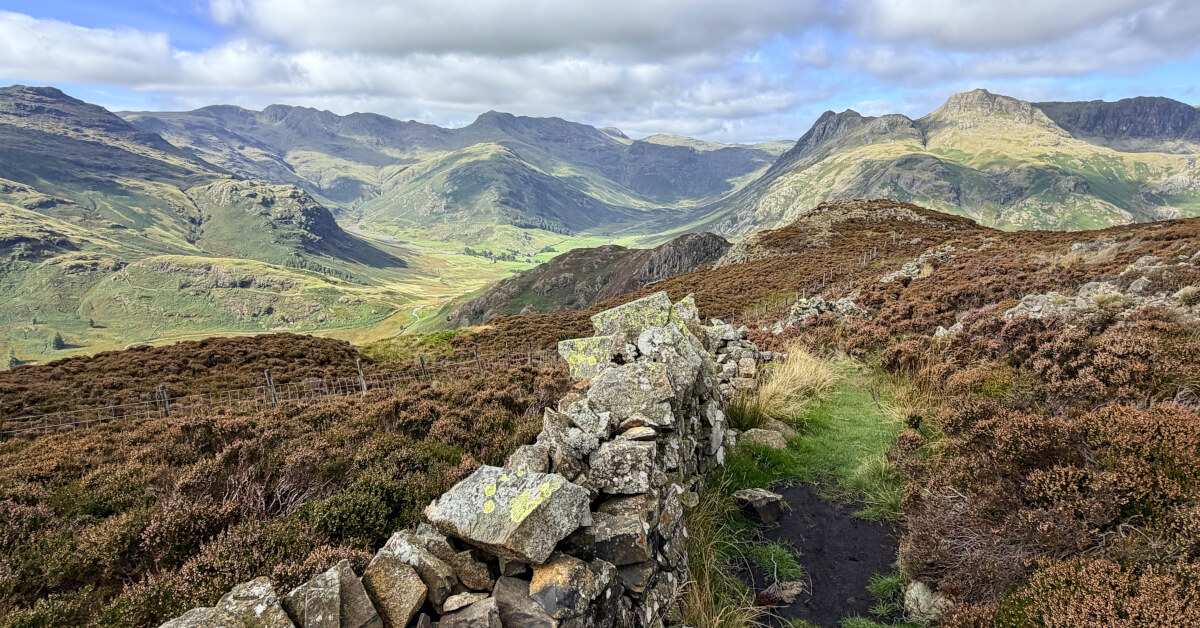
It’s so important to manage expectations before embarking on a long-distance trail or a difficult climb. If you only ever expect sunshine, clear views and effortless strides, you could be in for a shock, rendering you ill-prepared. In reality, of course, you could be faced with cold winds, sideways rain and multiple trail obstacles.
Try embracing these hardships and thinking of them as part of the adventure, so in years to come you can laugh about the time you reached a summit and all you could see was thick cloud or when you sunk knee-high in a wet bog.
As humans, we tend to respond extremely well to positive reinforcement. When tackling a difficult trail, give yourself micro-rewards to look forward to.
Every hour, drop your pack, have a drink and stretch your back. Spend a few minutes just taking in the scenery and looking at how far you’ve come already. This sense of pride can provide much-needed motivation for the next stretch.
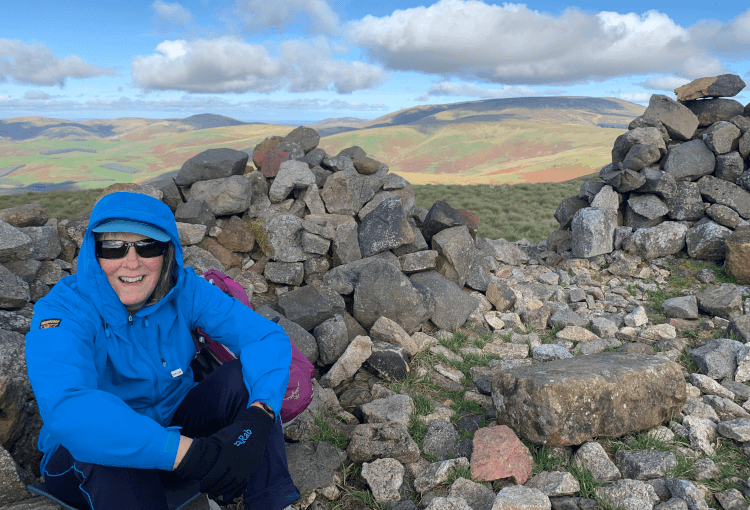
Save the best treat for the summit or end destination. I always like to save my lunch for the summit as it provides me with the fuel to complete the walk. Then, of course, a cosy pub, preferably with a roaring fire on a cold day, is the ultimate reward!
Adventure Travel Blogger
Sue Talbot is an adventure travel blogger and iPhone photographer who’s often found hiking up the Lakeland fells or swimming in fairy pools. Her outdoor adventures and photographs can be found on her blog, Lifehop, and also her Lake District Lovers Facebook page.