From Coast to Cobbles
Texture your walk with these natural marvels and historic settings, sure to make your trip even more memorable.
From Coast to Cobbles
https://www.contours.co.uk/from-coast-to-cobbles
by Sue Talbot
There’s always something to uncover on a walk in Britain. Our landscape isn’t just a beautiful backdrop, it’s a living narrative recounting millions of years and the lives of generations.
Through countryside shaped by geology, agriculture and industry, countless trails lead to ancient hill forts and the cobbled streets of centuries‑old towns. Stop to take a longer look almost anywhere in Britain and you’ll uncover pieces of history hidden in plain sight, ready to transform even the simplest walk into a memorable story.
Try these five top locations to discover natural marvels and historic treasures on your walking holiday.
From the art‑filled town of St Ives, windswept clifftops stretch for 12 km, passing golden dunes, secret coves and the dramatic granite cliffs of Land’s End.
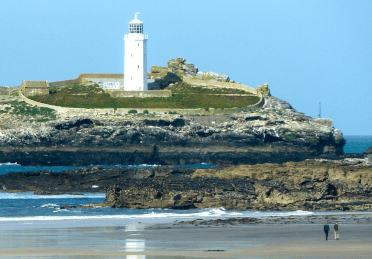
While the trail is well‑marked, you can always expect the unexpected on the South West Coast Path. You might spot a solitary puffin nesting on a rock, a colony of seals at Godrevy Point or curious rock formations that add to the intrigue of this Jurassic Coast World Heritage site. Durdle Door, Old Harry Rocks and the Valley of Rocks are just a few of the must-see geological features along the trail that have been shaped by millions of years of erosion.
Visiting this tidal wonder must be timed perfectly, which makes Holy Island an even more exciting destination. I crossed the ancient causeway at low tide and explored the Lindisfarne Priory ruins before heading along the Lindisfarne Coast Path.
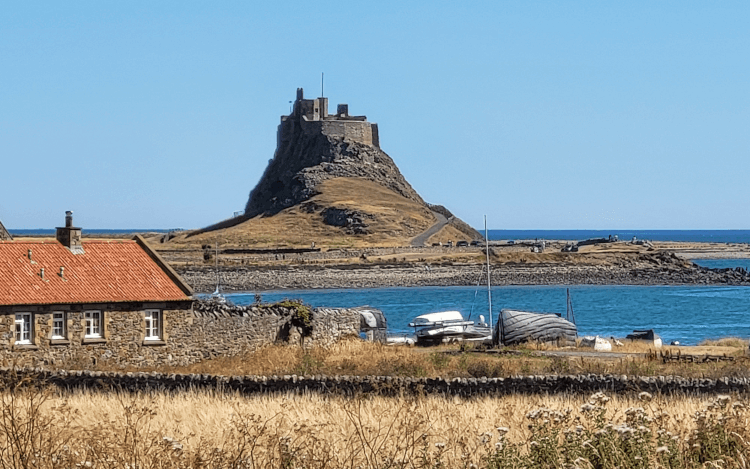
The 9-mile trail snakes along sandy dunes, salt‑marshes and nature reserves and is punctuated by historical sites such as Lindisfarne Castle, fishermen’s huts and St Aidan’s statue.
Leaving the coast behind, the landscape of the Cotswolds softens to rolling hills dotted with honey‑coloured stone.
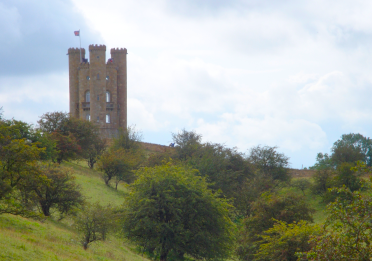
The Cotswold Way interweaves lush countryside with historic villages, passing ancient villages like Broadway, famous for its tree‑lined high street and 14th‑century Broadway Tower. The trail crosses the River Stour before arriving at Chipping Campden, where the 17th-century Market Hall still buzzes with locals selling a variety of cheeses, ciders and hand‑woven textiles.
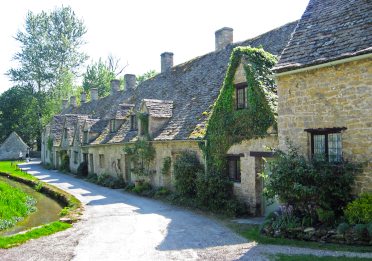
Veering off the Cotswold Way, there are two villages that epitomise the region: Castle Combe, known as “the prettiest village in England”, and Bibury, where the 14th‑century Arlington Row is reflected in the River Coln. Time always seems to slow down here, and I love to linger on a bench and watch the world go by.
Most famously known for the imposing York Minster and The Shambles, a medieval street where timber‑framed buildings lean over 14th-century cobblestones, York is filled with meandering alleyways where delicious smells waft from the bakeries and perfumeries.
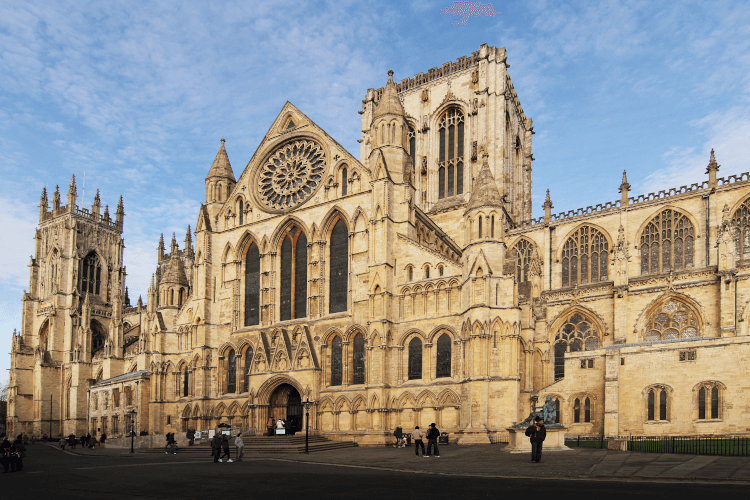
A short walk to the Museum Gardens takes me away from the hustle and bustle to quieter spots where I can take a moment to reflect and soak in the views over the River Ouse. To delve deeper into York’s past, a stroll along the City Walls takes you on a journey through time where history comes to life.
A captivating city where Roman baths sit side‑by‑side with the elegant Royal Crescent, Bath never fails to impress me with its grand historic buildings and iconic landmarks.
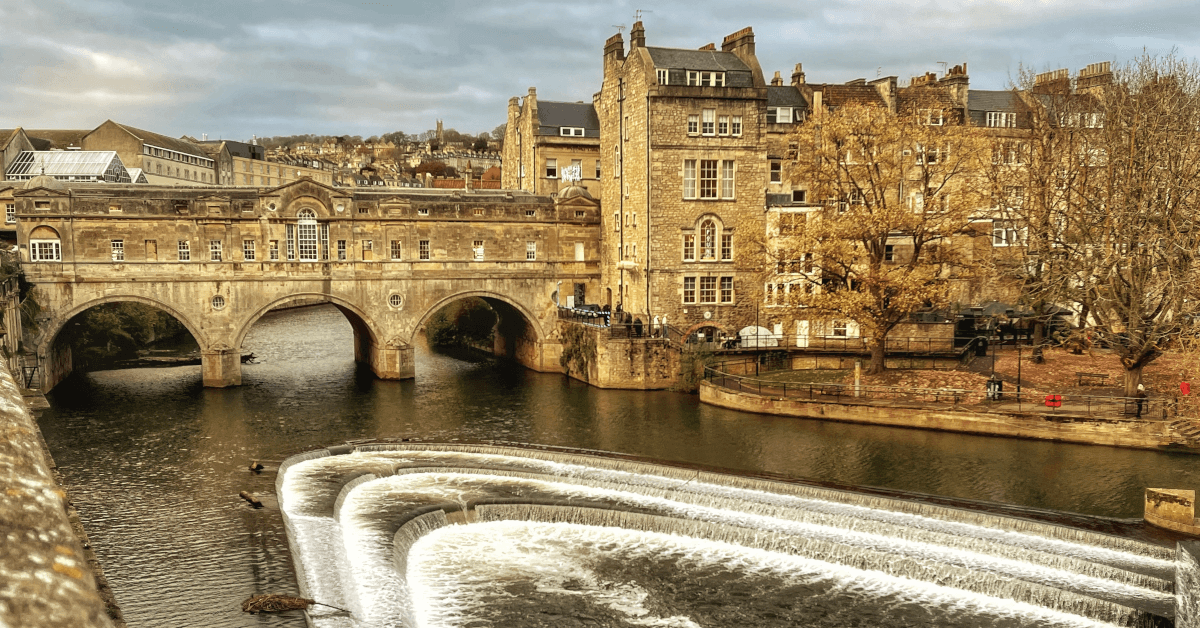
I love to walk along Pulteney Bridge and watch the reflections of its stone arches rippling on the River Avon, before heading up to the National Trust’s Bath Skyline. From here, the views across the city, ancient woodlands and valleys are intoxicating, and you’ll also have the opportunity to discover local wildlife.
Adventure Travel Blogger
Sue Talbot is an adventure travel blogger and iPhone photographer who’s often found hiking up the Lakeland fells or swimming in fairy pools. Her outdoor adventures and photographs can be found on her blog, Lifehop, and also her Lake District Lovers Facebook page.