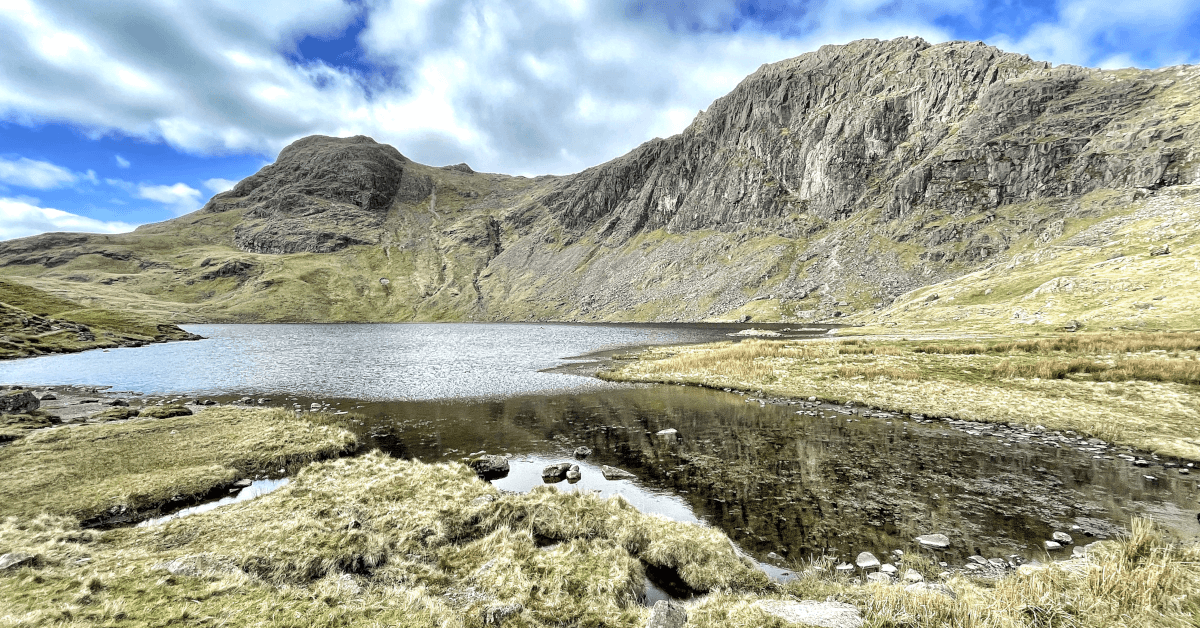
Walk Through Britain's Maritime History
Follow Britain’s storied coastline on our sideside walks and take in the island’s maritime history.
Walk Through Britain's Maritime History
https://www.contours.co.uk/walk-through-britains-maritime-history
by Catherine Sempill
Going about one’s day to day life, it can be easy to forget that we live on an island. An island with over 7700 miles of coastline and a long history of fishing, maritime trade and colonisation.
But as far back as the 1500s, Britain’s inhabitants were carving boats and puttering along its shores to find food. That’s long before the Elizabethan era when Britain really cemented itself as a seafaring nation. These are some storied coastlines, and the best way to bring them to life is to walk the UK’s coastal trails.
Here are five Contours coastal walks that bring the UK’s maritime history to life.
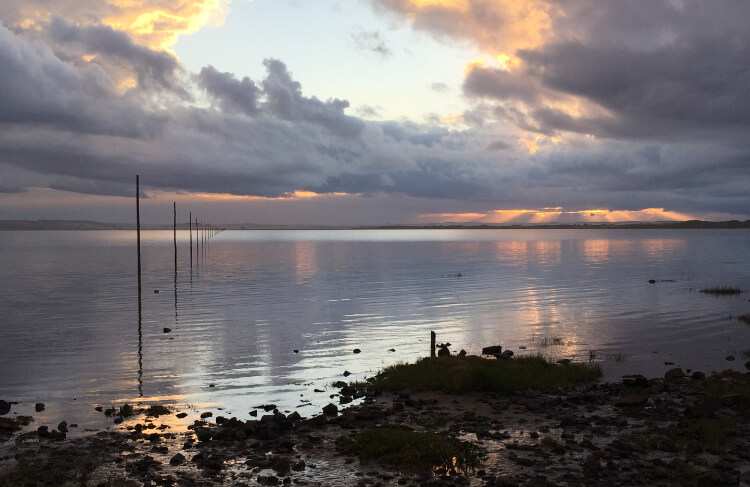
If the North Sea crashing wildly against the wide sandy beaches isn’t invigorating enough, throw some angry Vikings into the scene, or imagine rowing out into the waves to rescue sailors from a sinking vessel.
Both are iconic pieces of maritime history along the Northumberland Coast Path: Lindisfarne (Holy Island), accessible via a tidal causeway, is the site of a memorable Viking raid in 793 AD, and Bamburgh is renowned as the site where Grace Darling rowed out into the waves to rescue sailors from the Forfarshire, a ship wrecked in 1838.
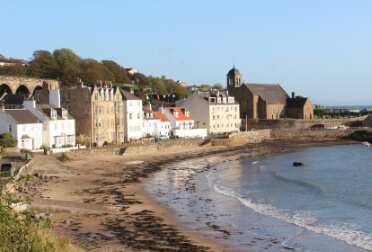
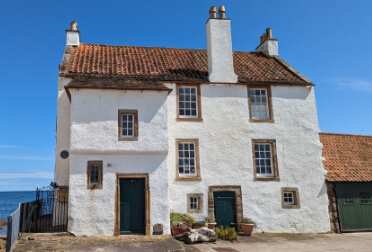
In the 17th century, the North Sea was a maritime highway of trade between Scotland and modern-day Netherlands and Belgium. Today, the Fife Coastal Path passes through villages still boasting original step-gabled architecture, influenced by Dutch building styles, and harbours seemingly unchanged since the 1700s. You’ll also see evidence of the 18th century salt industry, a vital ingredient in preparing fish for export.
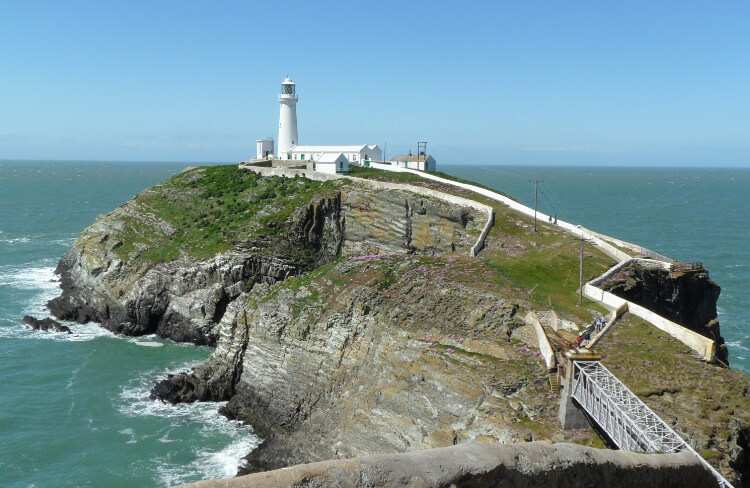
If you want to be dramatic, you could describe this coastline as the shipwreck capital of Wales. Anglesey’s rocky coastline and tidal patterns combined with its position on the trading route between Dublin and Liverpool means today it’s somewhat of a ship graveyard. As a result of the numerous casualties, the iconic South Stack Lighthouse was erected in 1809 as a guiding light for vessels crossing the Irish Sea.
Explore the Isle of Anglesey Coast Path holiday.
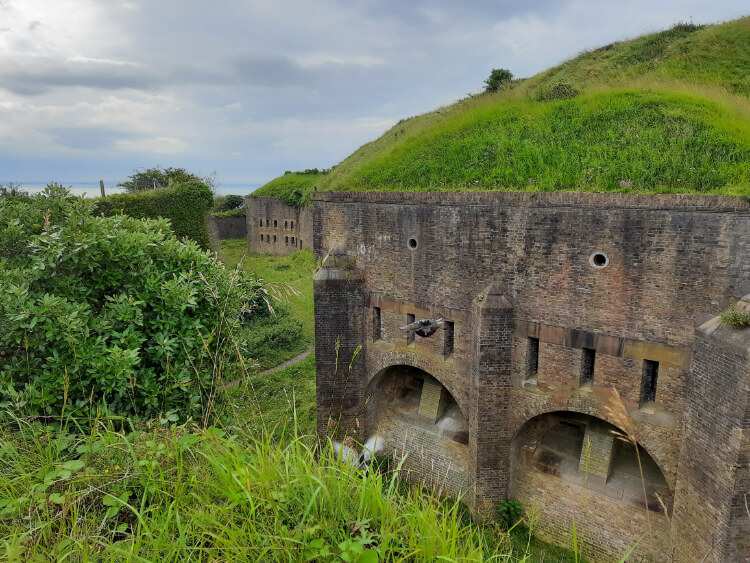
The Kent Coast Path is a favourite among naval buffs as the region is the home of maritime defence. The king struck a deal with the towns of Dover, Hythe, Romney, Sandwich and Hastings, the closest settlements to mainland Europe, offering reduced taxes in exchange for ships and men in the event of an invasion.
You can still feel this history as you wander through these medieval town centres, and if you squint across to France on a clear day, you can imagine the tension over seeing foreign vessels approaching England.
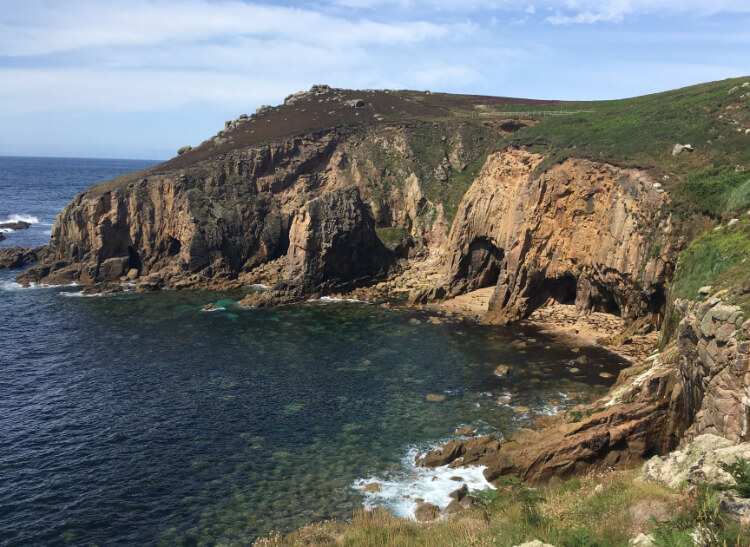
The Cornish segment of the South West Coast Path is infamous as one of the most dangerous shipping lanes in the world, which makes the history of smuggling in the area even more exciting. This coast is full of tiny (and beautiful) coves, perfect for small boats to slip into under cover of darkness to pick up and drop off their illicit wares.
It’s said that the coastal path here hugs the coast so tightly to provide access to these tiny bays, and walking this trail, it’s easy for your mind to take you away to the days of small boat smuggling.
These trails are just the tip of the iceberg. Discover even more coastal walking holidays.
Independent Copywriter
Catherine is a freelance copywriter and content marketer who loves to travel and spend time outdoors. Born and raised in Cape Town, South Africa, she grew up stomping up and down mountains. Now she splits her time between strolling in the UK countryside and exploring mountains further afield.


.png)